Jun 27
3 min read

5 Benefits of Rapid Prototyping in Product Development
In the fast-paced world of product development, the ability to quickly iterate and test ideas can make all the difference. Rapid prototyping has emerged as a game-changing approach that allows teams to visualize concepts, gather feedback, and refine products before they hit the market. This blog post explores five key benefits of rapid prototyping that can enhance your product development process.
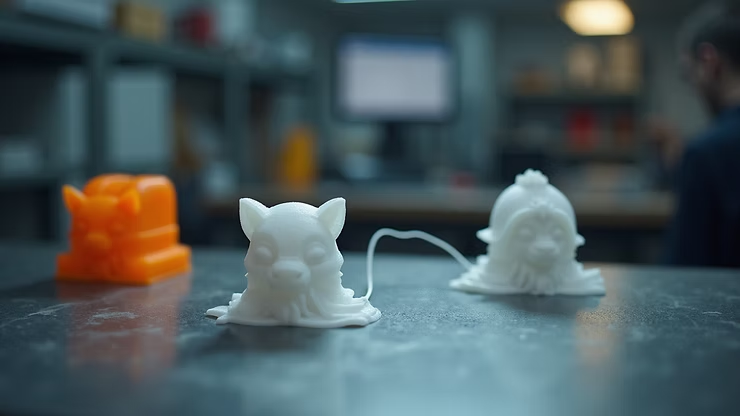
3D PRINTED PROTOTYPE
Enhanced Visualization of Concepts
One of the primary advantages of rapid prototyping is the ability to create tangible representations of ideas. Traditional methods often rely on sketches or digital models, which can be abstract and hard to interpret. In contrast, a physical prototype allows stakeholders to see, touch, and interact with the product.
Real-World Example
Consider a team developing a new kitchen appliance. Instead of relying solely on CAD drawings, they create a 3D-printed prototype. This allows them to assess the size, weight, and ergonomics of the appliance. Feedback from potential users can be gathered early in the process, leading to adjustments that improve the final product.
Faster Iteration and Feedback Loops
Rapid prototyping accelerates the development cycle by enabling quick iterations. Teams can produce multiple versions of a product in a short time frame, allowing them to test different features and designs. This iterative process fosters a culture of continuous improvement.
Case Study
A software company developing a new app used rapid prototyping to test various user interfaces. By creating clickable prototypes, they gathered user feedback on navigation and design elements. This led to significant improvements in user experience, ultimately resulting in a more successful app launch.
Cost-Effective Development
Investing in rapid prototyping can lead to significant cost savings in the long run. By identifying design flaws and usability issues early in the process, teams can avoid expensive changes during later stages of development. This proactive approach minimizes the risk of costly recalls or redesigns after a product has been launched.
Financial Insight
According to a study by the Product Development and Management Association, companies that implement rapid prototyping can reduce development costs by up to 30%. This is largely due to the reduction in time spent on revisions and the ability to make informed decisions based on user feedback.
Improved Collaboration Among Teams
Rapid prototyping fosters collaboration among cross-functional teams. Designers, engineers, marketers, and stakeholders can come together to discuss ideas and provide input on prototypes. This collaborative environment encourages diverse perspectives, leading to more innovative solutions.
Team Dynamics
For instance, a toy manufacturer might involve designers and engineers in the prototyping phase to ensure that the product is not only visually appealing but also safe and functional. This collaboration can lead to a more cohesive product that meets both aesthetic and practical needs.
Increased Market Readiness
Finally, rapid prototyping helps teams bring products to market faster. By streamlining the development process and incorporating user feedback early on, companies can launch products that better meet consumer needs. This agility can provide a competitive edge in crowded markets.
Market Impact
A notable example is the tech industry, where companies like Apple and Google use rapid prototyping to quickly test and refine new features for their devices. This approach allows them to stay ahead of trends and respond to consumer demands more effectively.

Reliability
Rapid prototyping is not just a trend; it is a powerful tool that can transform product development effectively.

Conclusion
By enhancing visualization, enabling faster iterations, reducing costs, and improving collaboration, teams create better products.

Scalability
As you consider development, think about how rapid prototyping fits into your process to meet target audience needs.

Scalability
Growth capability is a system's ability to scale and adapt, meeting increasing demands and evolving needs for long-term success.
Transforming Ideas: The Power of 3D Printing
Explore how additive manufacturing is revolutionizing the design process.
Learn about the latest techniques for creating complex, functional parts.
On-Demand Manufacturing: Custom Solutions for Your Needs
Get access to rapid production services tailored to your specific project.
Find high-quality components delivered with precision and speed.